Fads and innovations Transforming the Landscape of Aluminum Foundry Procedures
The aluminum foundry sector is undergoing significant changes due to technical advancements. Automation, expert system, and sustainable practices are at the forefront of this change. These developments promise to improve performance, enhance production processes, and minimize ecological effect. As these trends remain to develop, they elevate crucial inquiries regarding the future of aluminum production and its role in numerous markets. What effects might these modifications hold for the marketplace and its stakeholders?
Advanced Automation in Aluminum Foundries
As the need for high-grade and reliable aluminum products remains to increase, numerous foundries are progressively taking on sophisticated automation technologies. aluminum foundry. These innovations simplify various procedures, enhancing performance and decreasing labor costs. Robotic systems, for example, are made use of for tasks such as mold handling, pouring, and ending up, making certain consistency and precision
Automated quality assurance systems are likewise ending up being typical, utilizing video cameras and sensing units to find issues in real-time, therefore lessening waste and revamp. Additionally, the integration of programmable reasoning controllers (PLCs) permits much better tracking and control of manufacturing lines, promoting quicker changes in response to changing demands.
The use of automated guided vehicles (AGVs) maximizes product transport within the foundry, additional boosting operational efficiency. Via these improvements, aluminum foundries are not only satisfying market needs however additionally positioning themselves as leaders in lasting production techniques.
The Duty of Expert System in Manufacturing Optimization
Advanced automation technologies have actually established the phase for the combination of artificial intelligence (AI) in aluminum foundries, significantly enhancing production optimization. AI systems analyze substantial quantities of data produced during the production procedure, giving understandings that result in enhanced efficiency and lowered waste. These systems can identify patterns and trends that human operators may forget, making it possible for predictive maintenance and aggressive decision-making.
Additionally, AI formulas maximize casting procedures by adjusting parameters in real-time, ensuring the best quality output while lessening flaws. The application of artificial intelligence in high quality control processes likewise boosts accuracy, as AI can promptly examine item requirements against established criteria.
Ultimately, the adoption of AI in aluminum foundries not only improves operations but likewise equips workforce abilities, permitting for a more receptive and agile manufacturing setting. By using these innovative modern technologies, foundries can achieve significant gains in performance and operational excellence.
Lasting Practices and Their Effect On Environmental Footprint
How can aluminum foundries efficiently minimize their ecological footprint while preserving efficiency? One vital approach is the fostering of sustainable techniques, which include reusing scrap aluminum to reduce waste and save energy. By using closed-loop systems, foundries can substantially minimize their dependence on virgin products, therefore lowering carbon discharges related to extraction and processing.
Executing energy-efficient technologies, such as sophisticated melting furnaces and warm recuperation systems, can drastically lower energy intake. Shifting to renewable energy sources better boosts sustainability, enabling foundries to run with a lowered ecological impact.
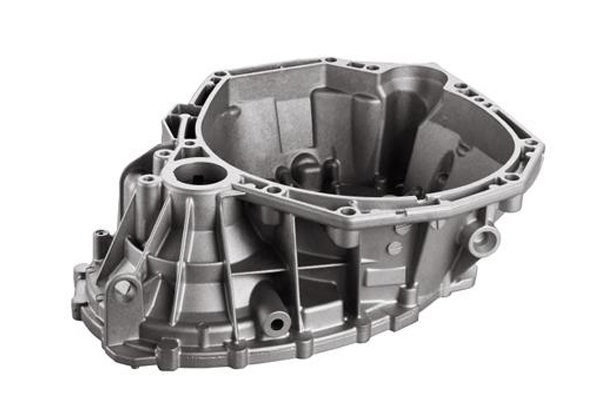
Smart Manufacturing Technologies Enhancing Effectiveness
Robotic systems simplify repeated jobs, making certain regular quality while freeing human workers to concentrate on even more complex duties. Additionally, IoT connection facilitates seamless communication across the assembly line, improving control and investigate this site responsiveness to market demands. Consequently, aluminum foundries can attain higher throughput and improved quality assurance, placing themselves competitively in a swiftly advancing sector landscape. The adoption of these wise modern technologies symbolizes a transformative change in the direction of effectiveness and advancement in foundry operations.
The Future of Lightweight Aluminum Products in Various Industries
As sectors significantly focus on sustainability and performance, the need for light-weight aluminum items is forecasted to grow significantly. This change is particularly obvious in markets such as vehicle, aerospace, and building, where minimizing weight directly contributes to boosted fuel efficiency and reduced emissions. Makers are innovating in aluminum alloys and manufacture methods to create components that are not just lighter however likewise more powerful and a lot more long lasting.
The automobile industry, for instance, is accepting aluminum to meet rigorous fuel economy criteria while preserving security and efficiency. Similarly, aerospace business are leveraging light-weight aluminum to boost aircraft effectiveness. In building, aluminum's convenience permits innovative layouts that lower material usage without jeopardizing architectural integrity.
As innovation advancements, consisting of the combination of smart manufacturing and recycling procedures, the future of light-weight aluminum items shows up brilliant, appealing to support a more sustainable and effective industrial landscape.

Frequently Asked Concerns
What Are the Key Challenges Dealing With Aluminum Foundries Today?
Light weight aluminum foundries today face difficulties such as climbing energy costs, environmental policies, labor shortages, competition from innovative production innovations, and the need for improved sustainability techniques to fulfill market demands and customer assumptions successfully.
How Does Aluminum Recycling Influence Foundry Procedures?
Light weight aluminum recycling greatly influences foundry procedures by decreasing basic material expenses, promoting sustainability, and enhancing manufacturing effectiveness. It permits foundries to lessen waste while satisfying raising need for environmentally friendly techniques in the aluminum market.
What Certifications Are Necessary for Aluminum Foundries?
ISO 9001 for high quality management, ISO 14001 for ecological administration, and AS9100 for aerospace criteria are necessary accreditations for aluminum foundries. These qualifications enhance functional efficiency, assurance item high quality, and advertise sustainable techniques within the market.
Just How Do Labor Costs Impact Aluminum Foundry Profitability?
Labor expenses markedly affect aluminum foundry productivity, as higher earnings can lower margins while efficient labor administration can boost performance. Balancing these elements is crucial for maintaining competitiveness and monetary wellness in the industry.
What Are Typical Flaws in Aluminum Castings and Their Reasons?
Usual defects in aluminum castings consist of porosity, shrinkage, and surface flaws. These problems often occur from incorrect melting temperatures, insufficient mold and mildew style, and contamination throughout the spreading procedure, eventually affecting the top quality and efficiency of the last item.
Advanced automation technologies have set the stage for the integration of synthetic intelligence (AI) in aluminum foundries, significantly enhancing production optimization. aluminum foundry. Just how can aluminum foundries properly lower their ecological footprint while preserving performance? While aluminum foundries deal with raising demands for productivity and efficiency, the assimilation of clever production innovations offers a compelling remedy. Light weight aluminum recycling significantly impacts foundry procedures by lowering raw material costs, advertising sustainability, and improving visit this site production efficiency. Labor prices markedly influence aluminum foundry earnings, as higher incomes can decrease margins while efficient labor additional hints monitoring can improve productivity